

-
Apple Enters the Foldable Era: Inside the New iPhone Duo and What It Means for the Smartphone Market
⚡ Quick Summary Apple's latest innovation, the iPhone Duo, has officially joined the foldable smartphone arena, showcasing an impressive foldable
-
From AI Assistants to Autonomous Agents: The Next Era of Software Development
⚡ Quick Summary Generative AI refers to algorithms that create original content, ranging from text to images, based on learned data patterns Curr
-
AI Coding Agents in 2026: How AI Is Transforming the Software Development Lifecycle
⚡ Quick Summary AI coding agents are sophisticated software tools that leverage generative AI to assist developers in creating code They can auto
-
Agentic AI in Enterprise Software: From Chatbots to Autonomous Workflows
⚡ Quick Summary Agentic AI refers to intelligent systems that can act autonomously to complete tasks, leveraging advanced decision-making capabili
-
What is Generative AI?
⚡ Quick Summary Generative AI refers to algorithms that can create content ranging from text and images to music and videos This technology has g
-
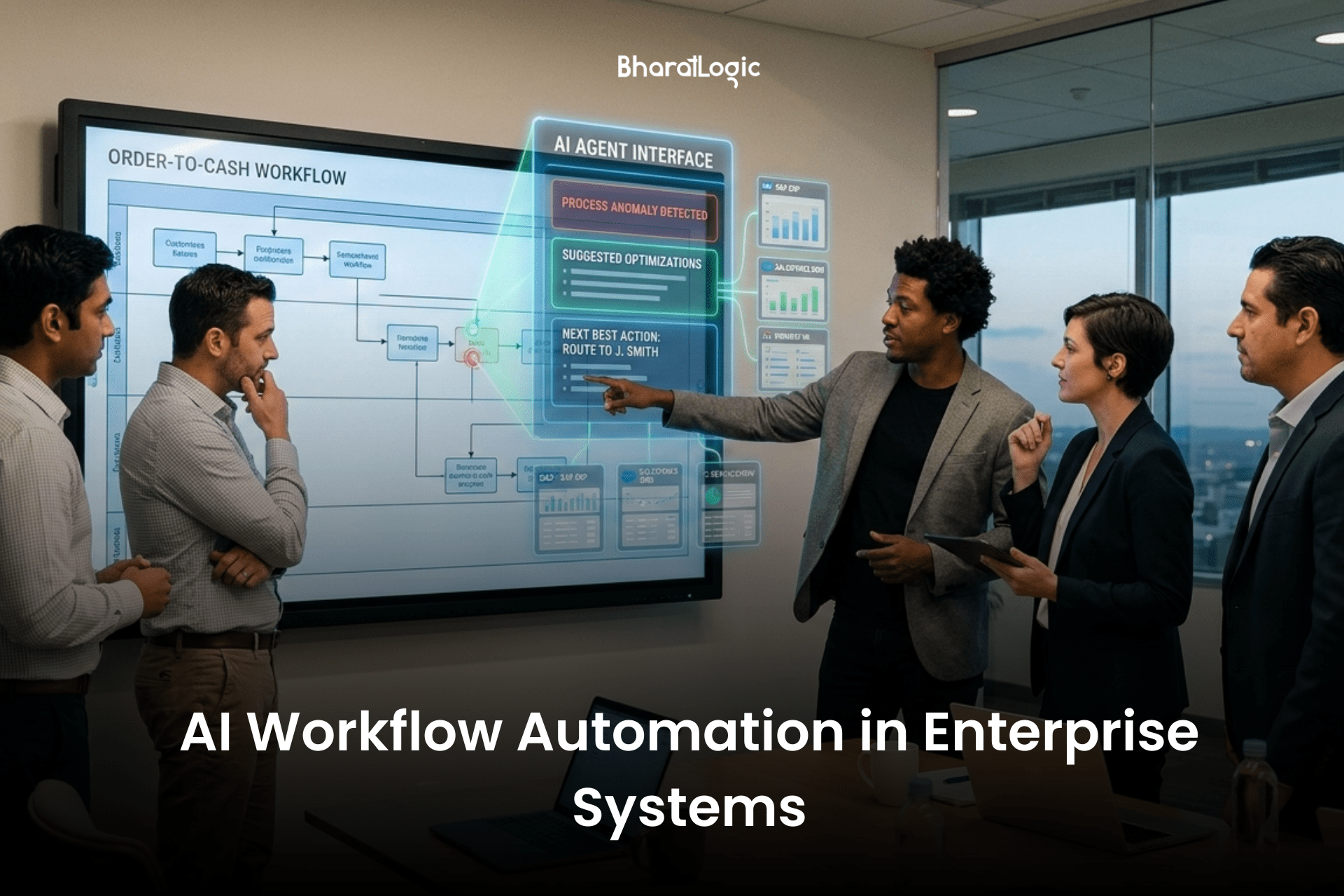
How to Implement AI Workflow Automation in Enterprise Systems
Quick Summary Enterprises want to automate repetitive work but face challenges integrating AI into existing systems.A structured, phased approach enables smooth AI deployment without disrupting operations.Start by identifying high-volume manual tasks like data entry, reporting, support requests, and ticket management.Map workflow
-
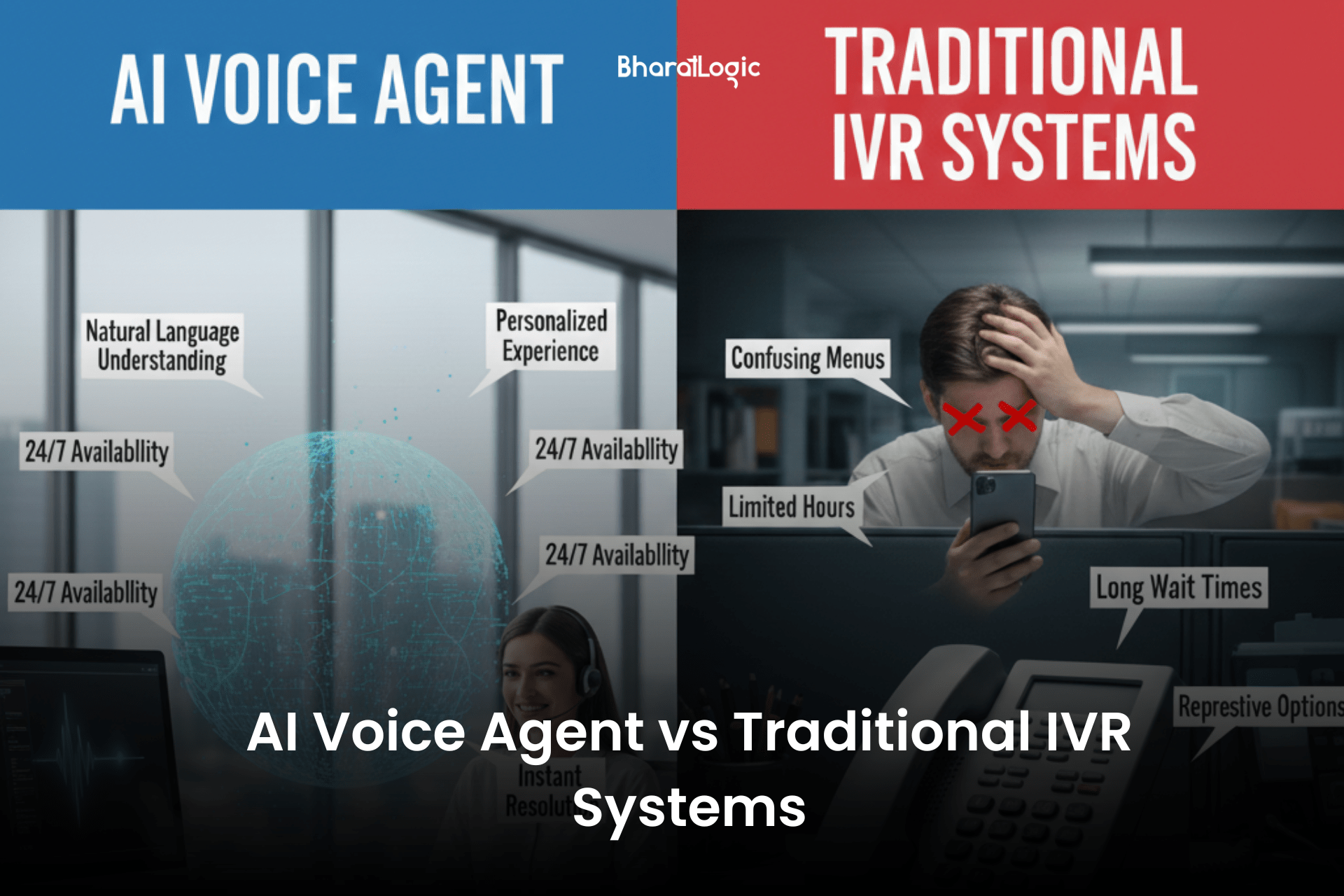
AI Voice Agent vs Traditional IVR Systems: What Enterprises Should Choose in 2026
Quick Summary: IVR uses keypad inputs and mainly routes calls, often causing frustration. AI Voice Agents understand speech, handle tasks, and provide natural conversations. AI reduces wait times, improves first-call resolution, and lowers manual workload. Best for high call volumes, repetitive requests, and appointment
-
AI Agents and Voice AI for Enterprise Automation in 2026
Enterprises today are operating in an environment of increasing complexity. Customer expectations are rising, service channels are expanding, and internal systems must handle larger volumes of data and requests than ever before. Across customer support, operations, sales, and back-office functions,
-
How AI is Transforming Offshore Software Development
AI is transforming the way software is built, and its impact on offshore software development is especially powerful. By integrating AI into development workflows, offshore teams can deliver complete software solutions faster, smarter, and more efficiently than ever before. AI-driven