
AI Coding Agents in 2026: How AI Is Transforming the Software Development Lifecycle
- AI coding agents are sophisticated software tools that leverage generative AI to assist developers in creating code
- They can automate routine tasks, suggest code snippets, and even generate entire functions based on natural language descriptions.
Engaging Hook and Introduction
AI coding agents are sophisticated software tools that leverage generative AI to assist developers in creating code. They can automate routine tasks, suggest code snippets, and even generate entire functions based on natural language descriptions.
Recent advancements in natural language processing and machine learning have made these tools more efficient, enabling them to understand complex requirements and provide relevant solutions. As a result, AI coding agents are increasingly integrated into the software development lifecycle, streamlining processes from planning to deployment. This shift is prompting developers to rethink traditional workflows, emphasizing collaboration between human and machine.
Current Applications of AI Coding Agents
AI coding agents are transforming software development through various applications.
- Code Generation and Debugging: These agents streamline the process of writing and fixing code, allowing developers to focus on higher-level design and functionality. They can generate snippets, suggesting optimal solutions to common coding challenges and identifying bugs in real-time.
- Automating Repetitive Tasks: AI coding agents excel in handling repetitive tasks, like code reviews, test case generation, and deployment processes. This automation accelerates the development cycle and reduces human error, freeing developers to engage in more strategic activities.
- Enhanced Collaboration: By integrating generative AI, these agents foster improved collaboration among developers. They facilitate real-time communication and shared understanding, allowing teams to work more cohesively, regardless of geographical barriers.
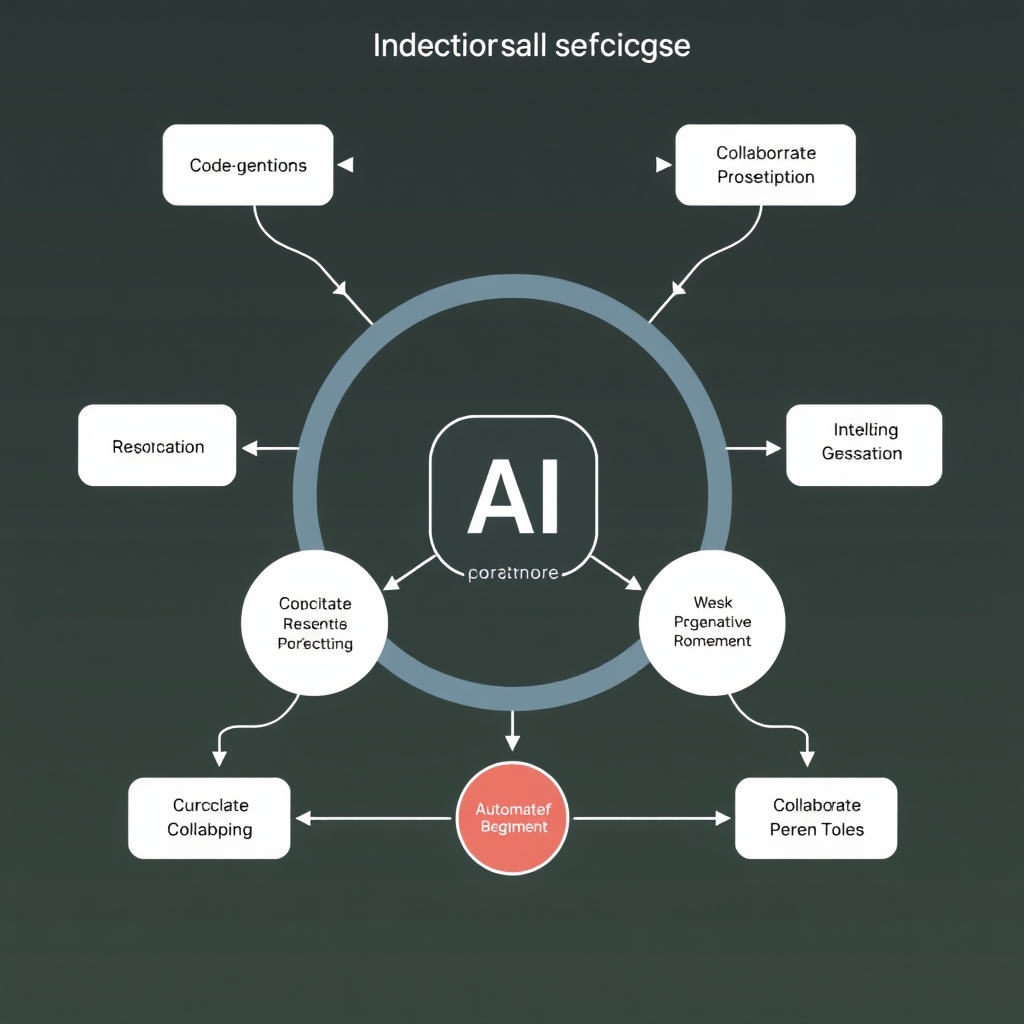
This diagram illustrates various applications of AI coding agents in the software development lifecycle.
Challenges and Considerations
Adopting AI coding agents in the software lifecycle presents several challenges for organizations.
- Skills Gap: Organizations must address the skills gap between traditional development practices and the capabilities brought by AI-enhanced processes. This necessitates upskilling existing teams to effectively utilize and collaborate with AI tools.
- Ethical Implications: The use of AI-generated code raises ethical concerns regarding intellectual property, accountability, and algorithmic bias. Companies need to establish clear guidelines to ensure ethical standards are upheld.
- Human Oversight: Maintaining human oversight in AI-driven development environments is crucial. Developers must verify AI outputs to mitigate risks associated with incorrect or suboptimal code, safeguarding software quality and security.
The Future of AI in Software Development
By 2026, AI coding agents are expected to make significant strides, enhancing their capabilities in automating coding tasks and assisting developers.
- Advancements: Anticipated developments include more sophisticated natural language processing, enabling AI to understand complex coding requests and suggest optimized solutions.
- Efficiency and Productivity: The integration of these agents is likely to improve development speed and reduce errors, with code generation efficiencies potentially reaching up to 80%, allowing teams to focus on higher-level design and strategy.
- Evaluation of Tools: As new AI tools emerge, developers will need to assess their effectiveness and compatibility with existing workflows, ensuring optimal integration to maximize benefits while minimizing disruptions.
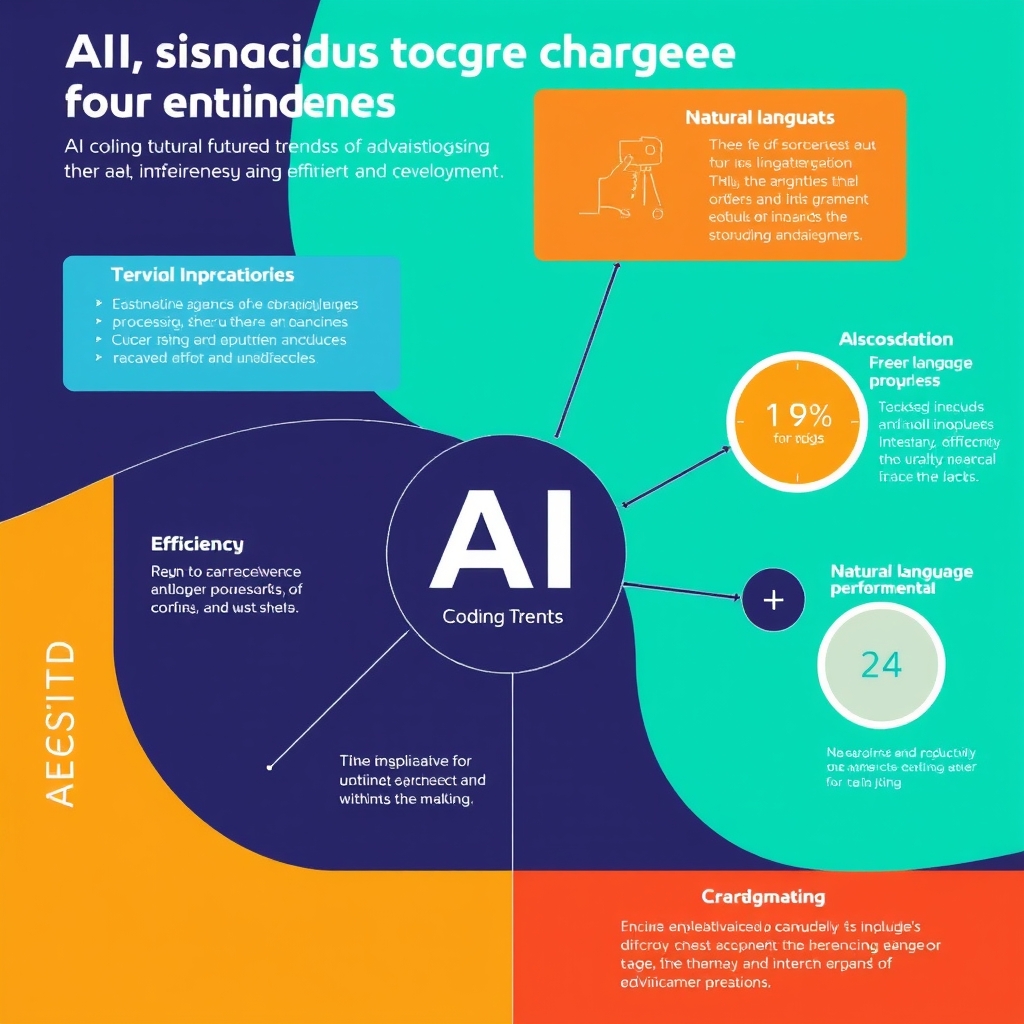
This diagram highlights anticipated advancements and trends for AI coding agents by 2026.
Conclusion and Call to Action
- Recap: This discussion highlighted the capabilities and advancements of AI coding agents, illustrating how they enhance productivity and efficiency in software development. The integration of AI tools has reshaped coding practices, simplifying complex tasks and enabling faster delivery.
- Transformative Role: Generative AI is revolutionizing the software development lifecycle by automating routine tasks, optimizing coding processes, and allowing developers to focus on higher-level design and innovation. This transformation marks a significant shift in how software is conceived and built.
- Encouragement: We invite you to delve deeper into the world of AI and explore its vast implications for the future of technology. Understanding these advancements will prepare you for the evolving landscape in software development.