
Agentic AI in Enterprise Software: From Chatbots to Autonomous Workflows
- Agentic AI refers to intelligent systems that can act autonomously to complete tasks, leveraging advanced decision-making capabilities
- Core characteristics include self-learning, adaptability, and the ability to engage in complex interactions.
Engaging Hook & Introduction
Agentic AI refers to intelligent systems that can act autonomously to complete tasks, leveraging advanced decision-making capabilities. Core characteristics include self-learning, adaptability, and the ability to engage in complex interactions.
The rise of Generative AI has significantly influenced various applications, driving innovation across industries. This technology allows for content generation, data analysis, and enhanced user interactions within enterprise environments.
Historically, traditional chatbots served as rudimentary tools for customer support. However, the evolution to sophisticated workflows has transformed them into essential components of enterprise software, enabling seamless automation and improved operational efficiency.
Understanding Generative AI
- What Generative AI Is: Generative AI refers to algorithms capable of creating new content, such as text, images, or music, based on patterns learned from existing data. It utilizes techniques like deep learning and neural networks to generate human-like outputs.
- Key Examples: Today, Generative AI is commonly seen in applications like chatbots that engage customers through conversational interfaces, content creation tools that aid in writing and graphic design, and code generation systems that assist developers in generating code snippets.
- Implications for Enterprise Software: The integration of Generative AI into enterprise software enhances productivity by automating repetitive tasks and improving decision-making processes. This leads to increased efficiency, allowing employees to focus on higher-value activities while reducing operational costs.
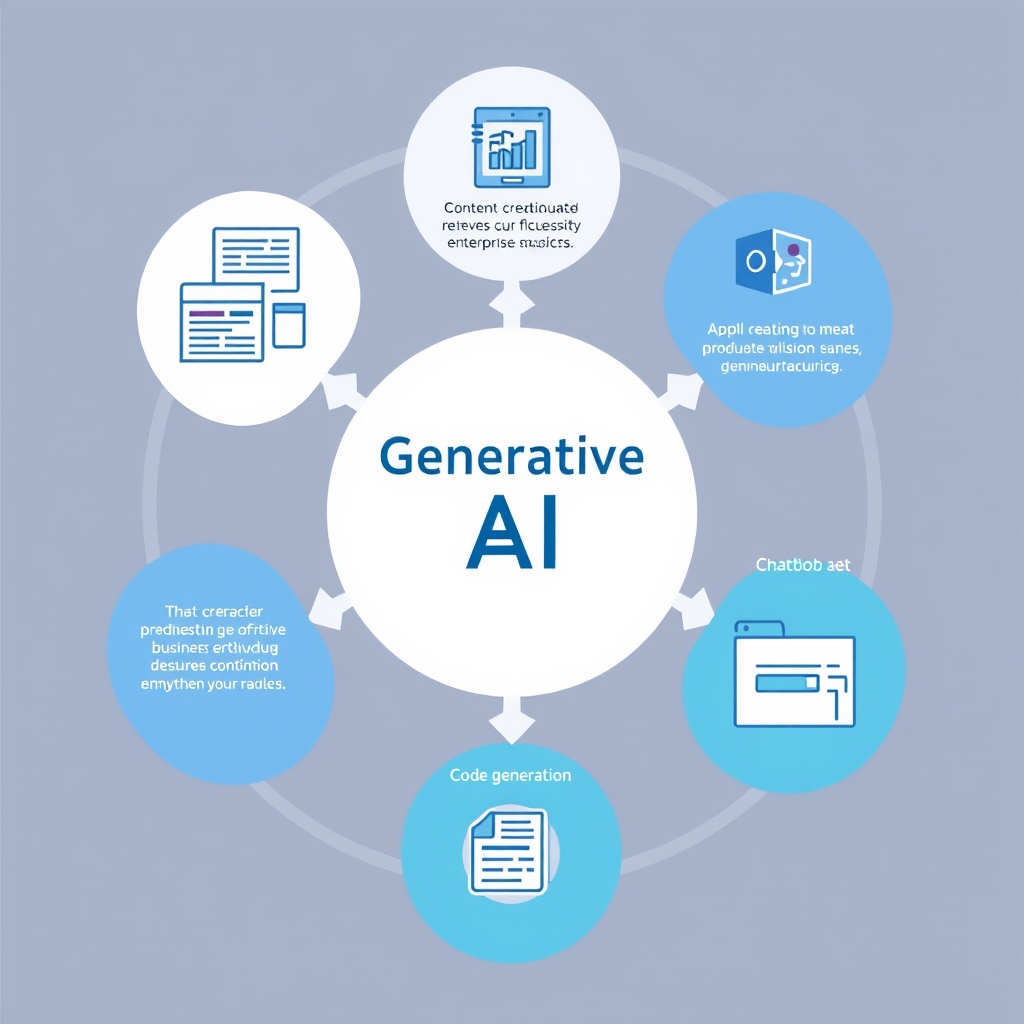
An overview of Generative AI applications in enterprise software, illustrating their impact on productivity and decision-making.
From Chatbots to Autonomous Workflows
- Evolution of Chatbots: Initially, chatbots served basic functions such as responding to FAQs. However, they often struggled with context and complex queries, leading to frustration among users. Their limitations became apparent as businesses sought more intelligent solutions.
- Autonomous Workflows: This concept refers to systems that operate with minimal human intervention, facilitating seamless process execution. Benefits include increased efficiency, reduced operational costs, and improved decision-making capabilities, allowing organizations to focus on strategic priorities.
- Real-World Examples: Companies like UiPath and Automation Anywhere have implemented autonomous workflows, integrating AI to enhance task automation. These technologies streamline operations in sectors such as finance and customer service, demonstrating the tangible benefits of advancing from rudimentary chatbots to sophisticated AI-driven processes.
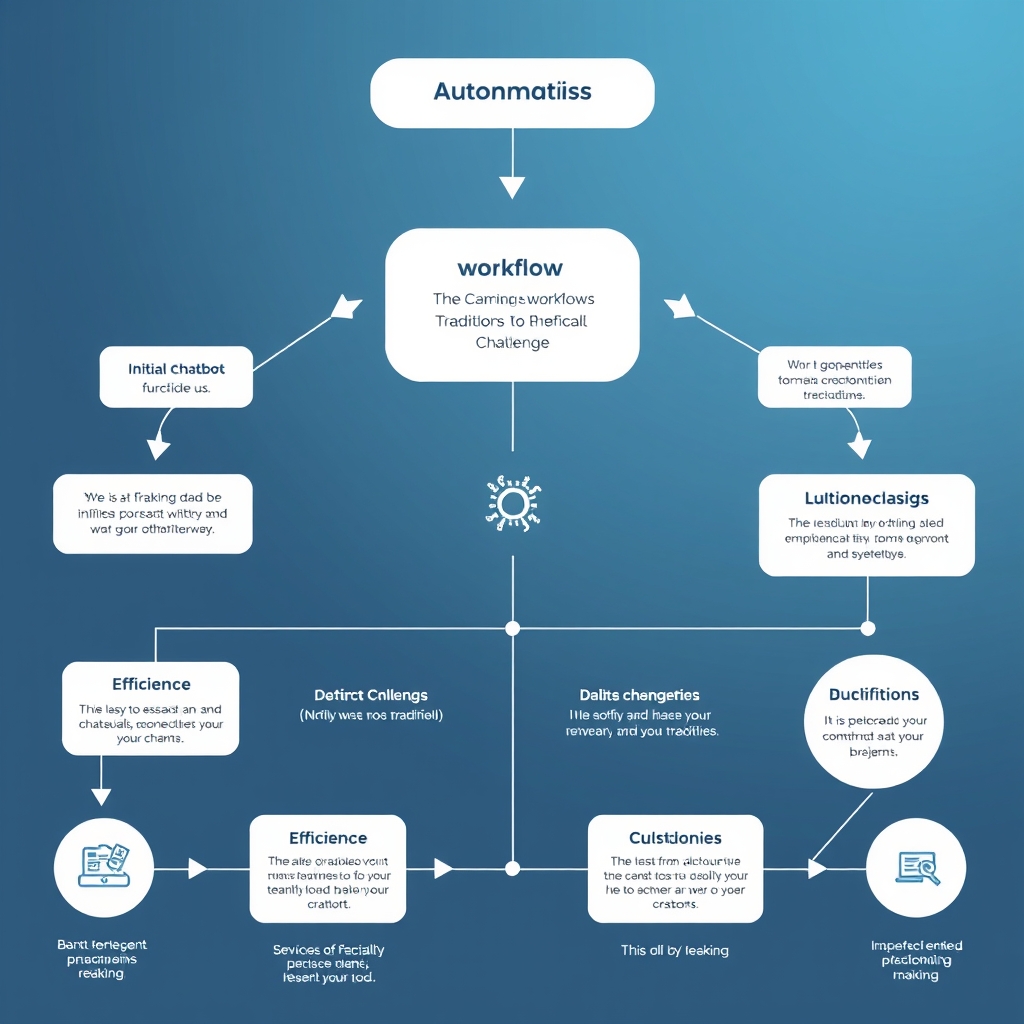
A flowchart showing the evolution of chatbots to autonomous workflows, highlighting the key differences and benefits of each.
Conclusion and Call to Action
- Transforming Enterprise Software: Generative AI is pivotal in revolutionizing enterprise software by enhancing efficiency and enabling innovative solutions that adapt to changing business needs.
- Autonomous Workflows: The potential of autonomous workflows is significant, as they streamline operations and reduce human intervention, leading to improved accuracy and productivity.
- Stay Informed: To leverage these advancements, it’s essential for readers to deepen their understanding of AI technologies. Explore educational resources and engage with the community to stay at the forefront of this transformative field.