
From AI Assistants to Autonomous Agents: The Next Era of Software Development
- Generative AI refers to algorithms that create original content, ranging from text to images, based on learned data patterns
- Current applications include content creation, coding assistance, and even artistic endeavors, showcasing its versatility.
Engaging Introduction to AI Evolution
Generative AI refers to algorithms that create original content, ranging from text to images, based on learned data patterns. Current applications include content creation, coding assistance, and even artistic endeavors, showcasing its versatility.
AI assistants have evolved significantly since their inception, initially limited to simple task execution. Over the years, they have grown more capable, integrating natural language processing and machine learning to enhance user interaction.
Looking ahead, autonomous agents are set to revolutionize software development. These systems can operate independently, making decisions and executing tasks without human oversight. Their potential impact lies in increased efficiency and the ability to tackle complex projects autonomously.
Understanding Generative AI
Generative AI leverages neural networks to produce new content, mimicking patterns from existing data. These networks, particularly types like Generative Adversarial Networks (GANs) and Transformer models, enable systems to learn from vast datasets and generate coherent outputs.
- Examples in Use: Today, generative AI plays a significant role in diverse applications. It is used in content creation, generating text for articles and marketing materials, as well as in code generation, where tools help developers produce code snippets efficiently.
- Advantages for Software Development: Generative AI enhances productivity by automating repetitive tasks, enabling rapid prototyping, and fostering creativity. This technology allows developers to focus on higher-level problem solving while the AI handles routine coding, thus streamlining the development process.
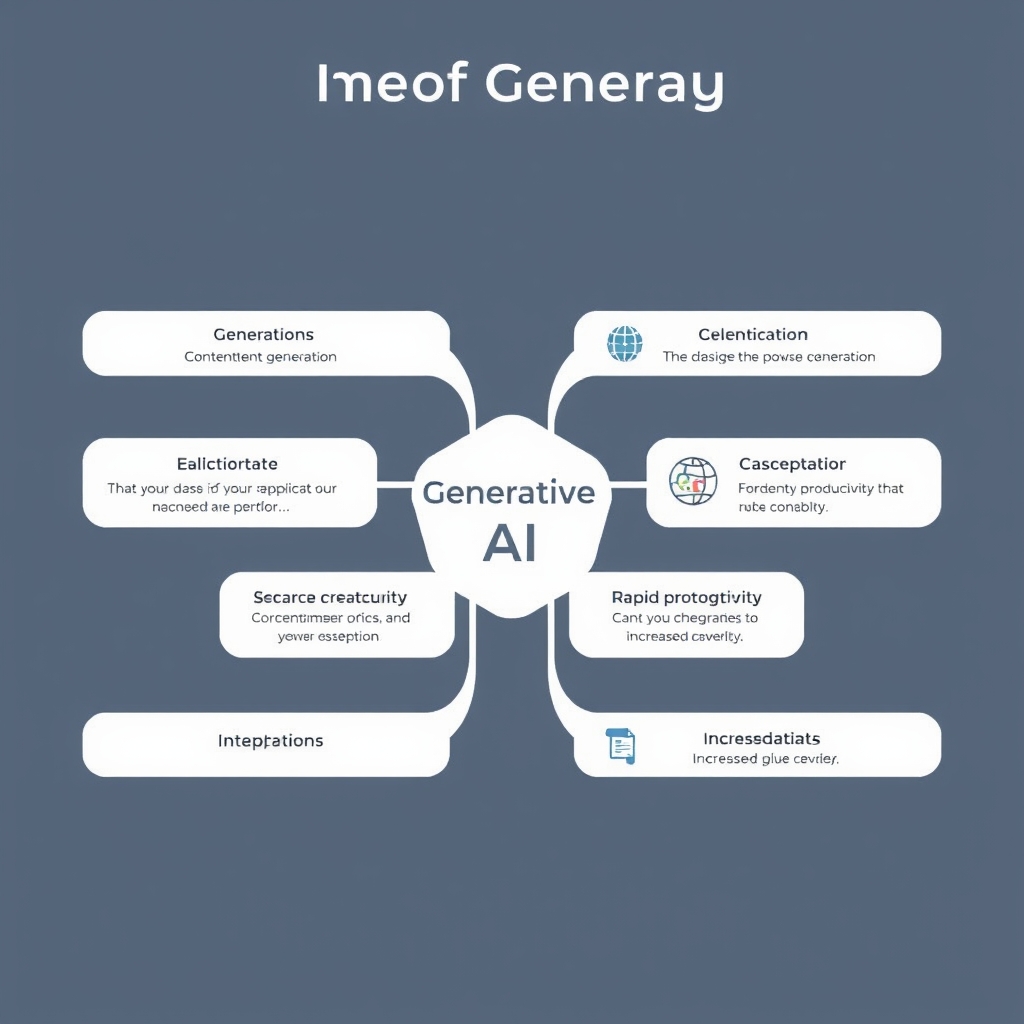
This diagram illustrates the applications and advantages of Generative AI in software development, highlighting its role in automating tasks and enhancing productivity.
Shift to Autonomous Agents
Autonomous agents represent a significant evolution beyond traditional AI assistants. Unlike AI assistants, which perform tasks based on user instructions, autonomous agents can make decisions and take action independently. They utilize advanced machine learning models to analyze data patterns, enabling them to autonomously complete complex tasks without human intervention.
The potential applications of autonomous agents span multiple industries. In healthcare, they can automate patient monitoring and diagnostics. In finance, they manage investments and assess risk more efficiently than human analysts. Additionally, in logistics, they optimize supply chain operations by predicting demand and adjusting delivery routes in real time.
However, the rise of autonomous technology raises ethical considerations and challenges. Issues such as accountability, transparency, and the potential for job displacement must be carefully addressed. As these agents become more integrated into society, establishing governance frameworks and ensuring ethical guidelines will be critical to their responsible deployment.
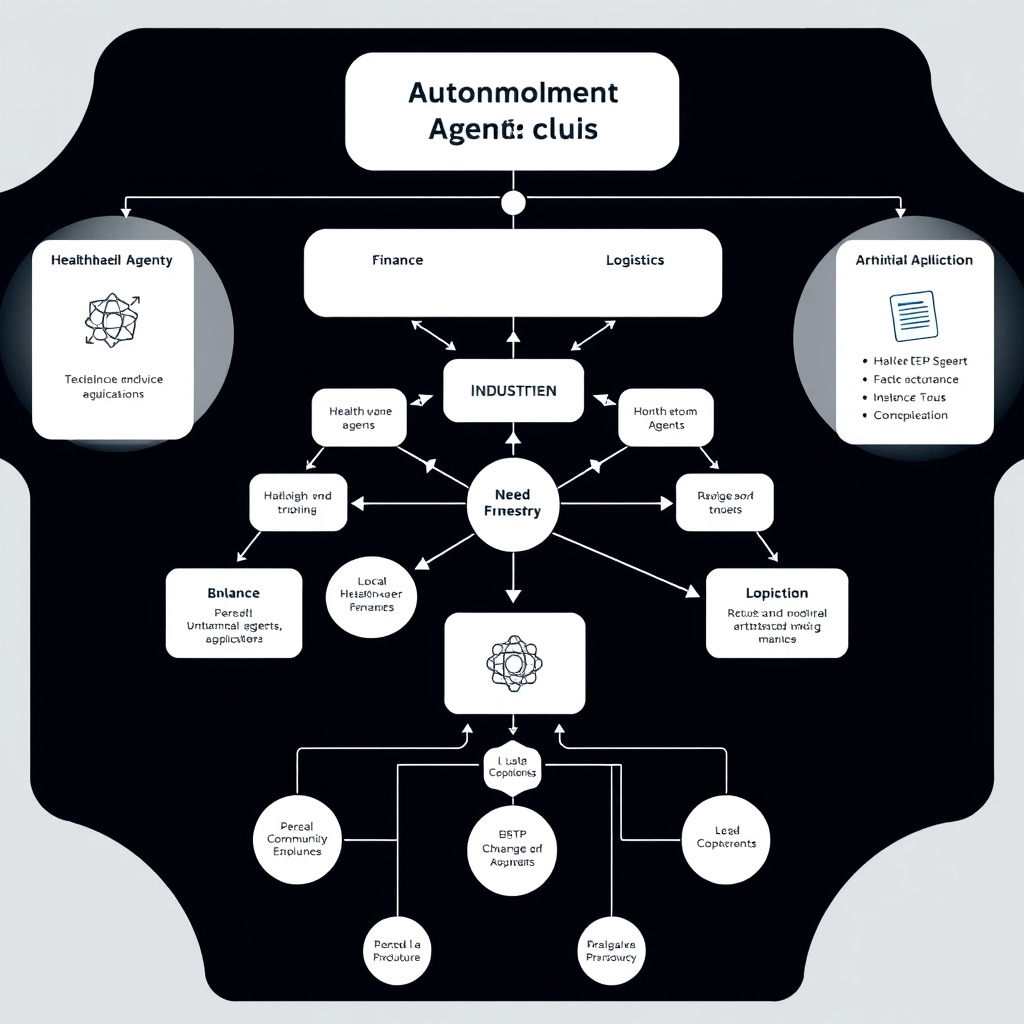
This flowchart details how autonomous agents operate across different industries, illustrating their decision-making capabilities and applications in sectors like healthcare, finance, and logistics.
Conclusion and Call to Action
- Transitioning Significance: The shift from AI assistants to autonomous agents marks a transformative milestone in software development, enabling enhanced efficiency and intelligent task execution.
- Generative AI’s Role: Generative AI is central to this evolution, providing capabilities that empower agents to automate complex tasks and foster innovation.
- Explore Further: We encourage readers to delve into available resources and research, unlocking deeper insights into the rapidly evolving landscape of AI technology.